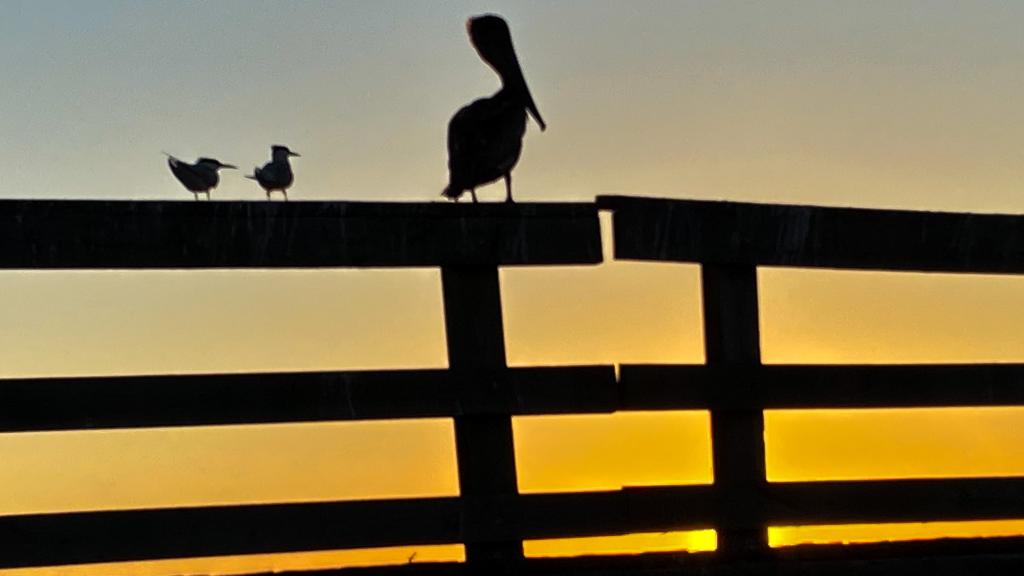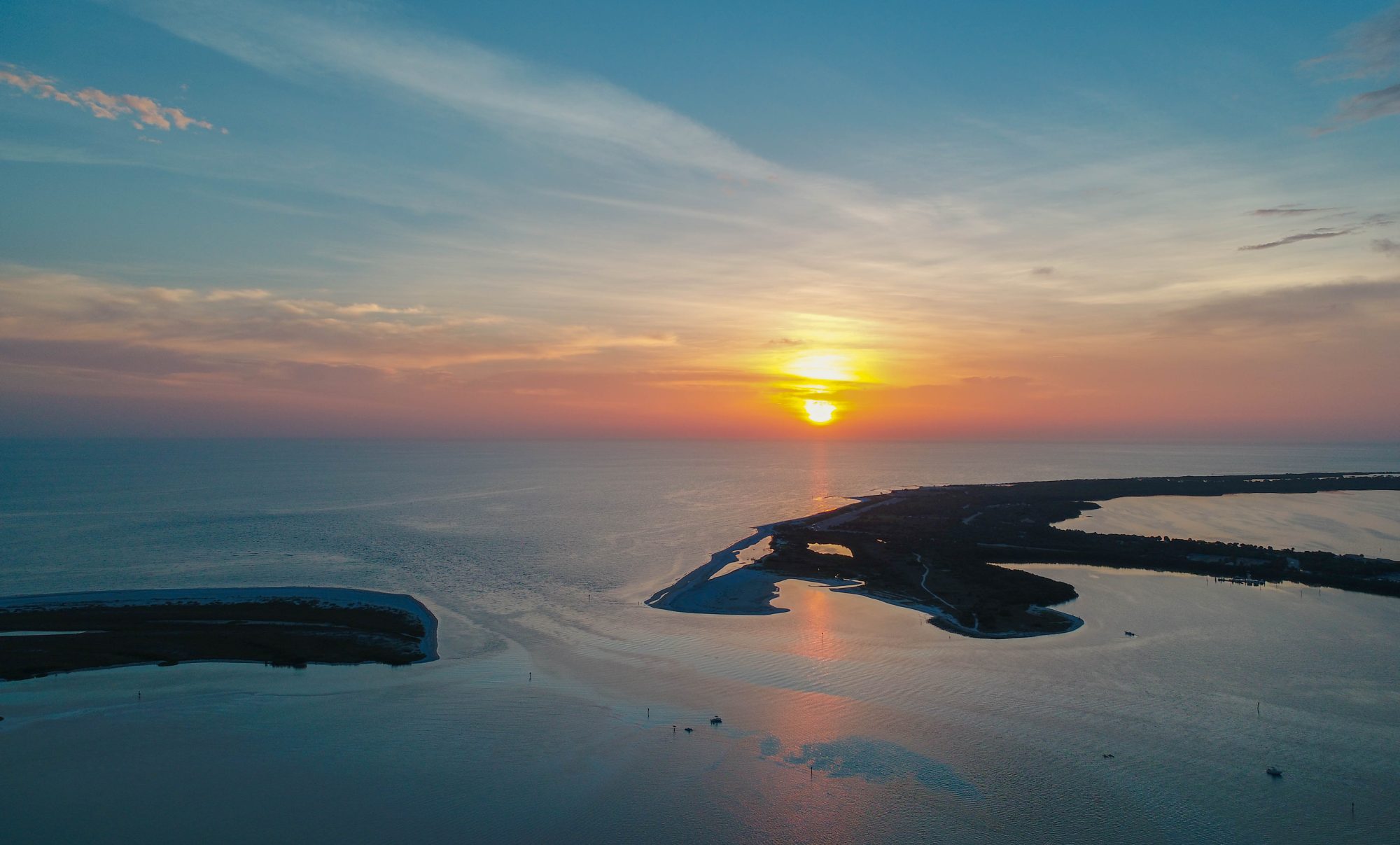
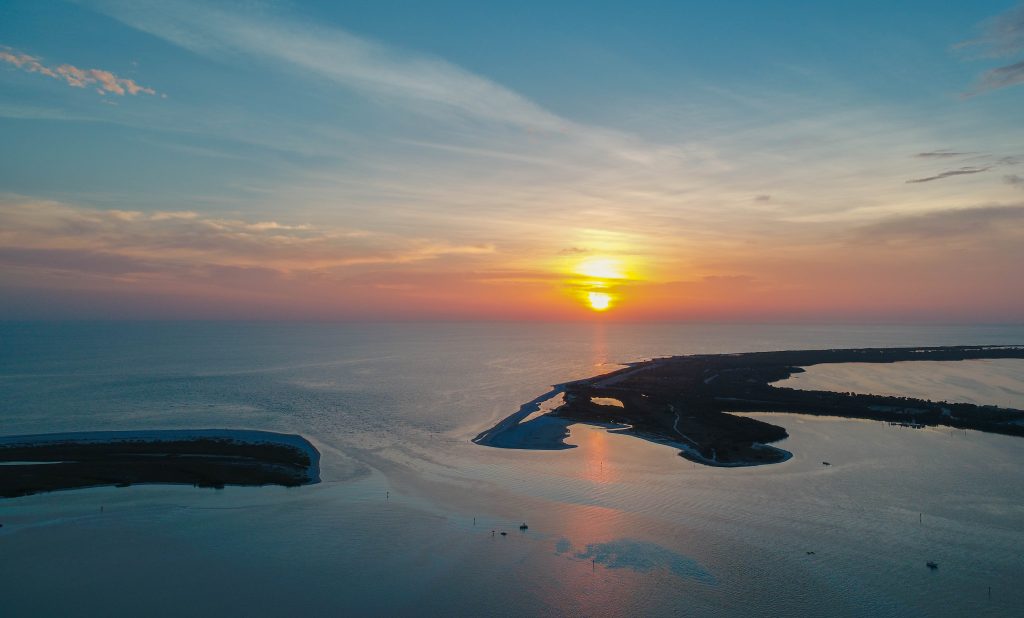
There is a kind of photography that travel writers and Instagram briefly describe as “discovering” a place. You arrive somewhere new, you photograph it intensely for a few days, and you leave with a portfolio of images that capture what the place looks like to a stranger encountering it for the first time. I have done plenty of this kind of work in my own travel photography, and I think it has its place. The freshness of a first encounter sees things that long residence makes invisible.
But there is another kind of photography that I have come to value more, and that I think most photographers underestimate. It is the slow, returning photography of working in the same place across years. Not capturing what a town looks like to a stranger, but learning what a town actually is by photographing it through every season, in every quality of light, at hours when most photographers are not there to see it. The first kind of work captures impressions. The second kind of work captures something closer to truth.
I have been photographing Dunedin, Florida for more than a decade. Dunedin is the small Gulf coast town in northern Pinellas County where I live, where I work, and where I have spent the slow accumulated thousands of hours that you only spend in places you actually inhabit rather than visit. The photographs I have made here are different from the work I do when I travel to less familiar places. They are quieter. More observed. Less interested in the dramatic image and more interested in what the town reveals when you stop trying to capture it and just let yourself look.
What follows is part essay, part field notes, part reflection on what photographing the same small town across a decade actually teaches you about photography and about place.
What the Light Actually Does Here
The first thing you learn photographing a Florida town across years is that the light here is not the light that most photographers expect.
Florida photography in the popular imagination is dominated by midday sun — the harsh, flattening, vertical light of postcards and tourism marketing. This light exists, and you can photograph in it, but it is the worst light Dunedin offers and it is the light I avoid as much as possible. The town does not reveal itself in midday sun. It hides.
What Dunedin actually rewards is the light that arrives early in the morning and the light that lingers late in the afternoon. Specifically: the hour after sunrise and the two hours before sunset, when the sun is low enough that its rays travel through more atmosphere and warm into the colors that architectural photography needs. In these windows, the historic homes that line the older residential streets — the Folk Victorians, the Craftsman bungalows, the Mediterranean Revivals — show their architectural detail rather than washing out into white surfaces and dark shadows. The marina and the waterfront catch the kind of side-light that turns water into texture rather than glare. The Pinellas Trail, running through the town’s heart, offers extended sequences of dappled light through the oak canopy that midday cannot produce.
The other light worth knowing is overcast light. Most photographers I encounter in Dunedin are disappointed when the sky goes gray, but the cloudy days are when the architectural photography in this town is genuinely strongest. Overcast soft light eliminates the harsh shadows that direct sun creates on Craftsman porches and Mediterranean facades. It reveals the carved detail in gable ornamentation. It allows colors to render properly without competing with bright highlights. The best architectural photographs I have made in Dunedin have, with a few exceptions, been made on overcast days that most casual photographers would have considered unphotographable.
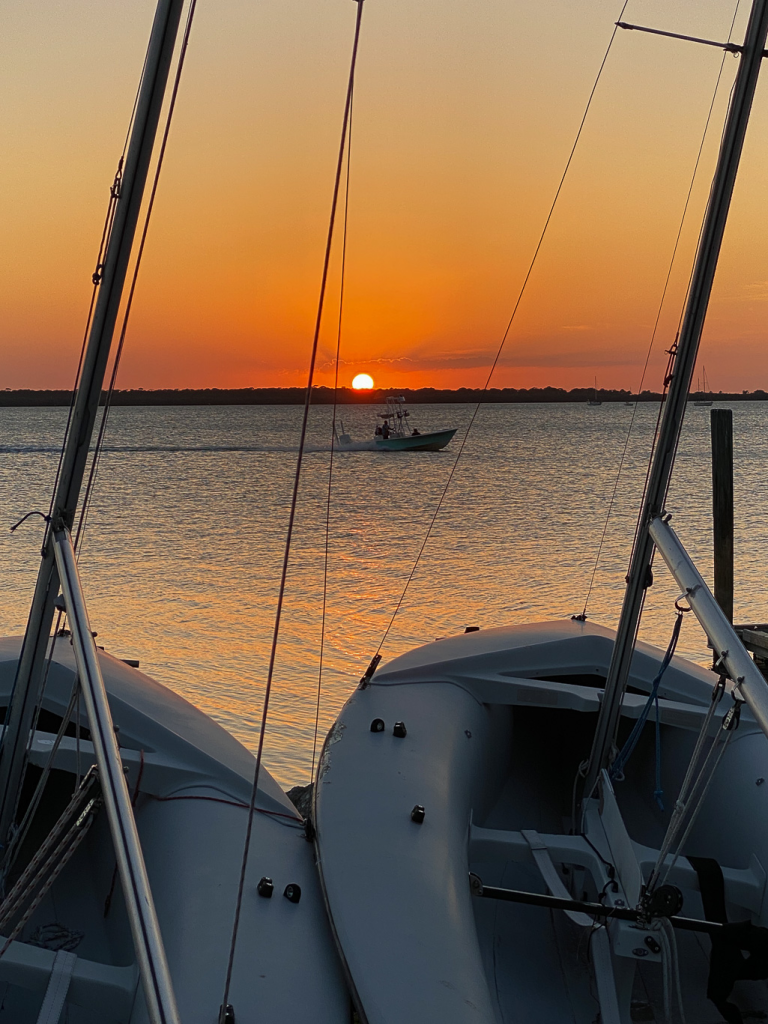
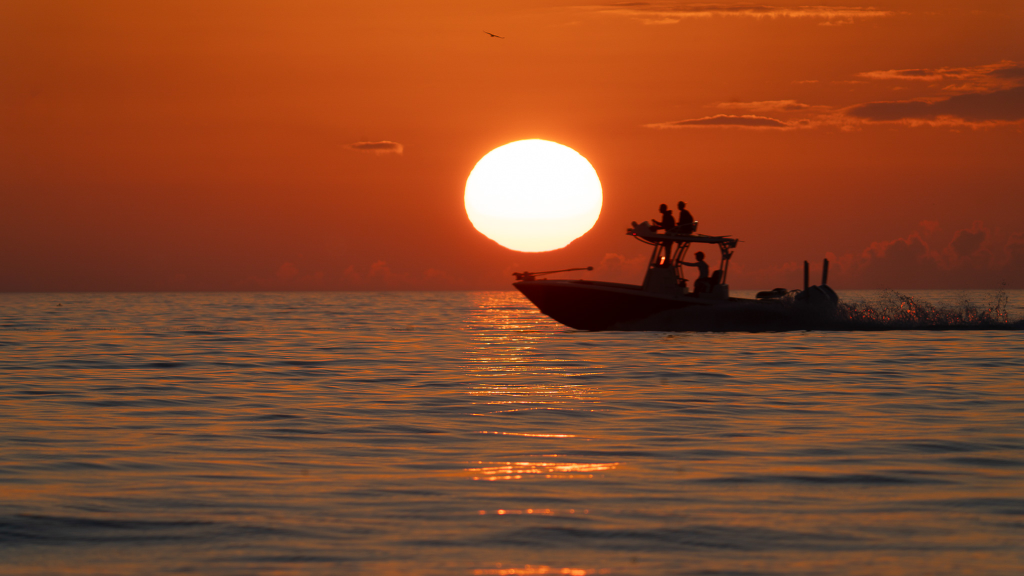
And then there is what I have come to think of as Dunedin’s signature light — the late afternoon hour, particularly during the cooler months from October through March, when the sun begins its descent toward the Gulf and the light takes on the warm, almost amber quality that defines the town’s most photogenic hour. This light passes through the historic core, illuminates the western-facing facades of the older residential streets, lights up the marina from behind the boats and the rigging, and creates the kind of conditions that make the simplest exposure read as a genuine photograph rather than a snapshot.
Learning when to be where requires time. There is no shortcut to this. Photographers who arrive for a weekend will not learn it. Photographers who return across years will learn it without trying.
The Locations That Reward Returning
Most travel photography guides to small Florida towns produce a similar list of locations. The waterfront. The Main Street. The local park. The seasonal festivals. These locations are not wrong, but they are the obvious work — the places where every photographer ends up. After a decade in Dunedin, I have come to think the more interesting work happens in the locations that less obvious to first-time visitors.
The Pinellas Trail through the historic core. Most photographers see the Pinellas Trail as recreation infrastructure rather than as a photographic subject. But the trail routing through downtown Dunedin produces some of the most consistently strong photographs available in the town. The trail passes between historic buildings, beneath the oak canopy, alongside outdoor café seating, and through the rhythms of cyclists, walkers, and runners that define the town’s daily pulse. Photograph the trail at sunrise on a weekday morning when the regulars are out, and you will produce work that captures the actual life of the town in ways that the standard tourist shots cannot.

Scotland Street and Victoria Drive. The historic residential streets of the original town platting contain some of the oldest surviving residential architecture in all of Pinellas County. The J.O. Douglas home from the 1880s still stands as a private residence on Scotland Street. Folk Victorian and early Florida Vernacular homes from the 1890s and 1900s line both streets. Photographing these streets in soft afternoon light or on overcast days produces architectural images that connect to a specific historical moment most Florida photography never reaches.
The marina at first light. Most photographers visit the Dunedin marina at golden hour or sunset, which produces beautiful but predictable images. The marina at first light, before most visitors arrive and before the boats begin their morning departures, offers something quieter and more interesting. The water is glass-flat. The boats sit in their slips with the rigging caught against pale sky. The buildings of downtown rise behind the marina in a way that connects water and town. This is when the marina is genuinely photographable as a place rather than as a postcard subject.
Honeymoon Island and the causeway. The causeway connecting Dunedin to Honeymoon Island State Park is itself a photography subject, particularly at sunset when the western light works against the sky and water in ways that are difficult to compose poorly. Honeymoon Island offers conventional beach and shoreline photography, but the more interesting work on the island happens on the trails through the slash pine forests and along the bay-side shore where the wading birds gather and the mangroves create the kind of layered subject that rewards careful seeing.
The Andrews Memorial Chapel. The 1888 Andrews Memorial Chapel, one of the oldest surviving structures in the original Dunedin community, sits at the Dunedin History Museum’s Pioneer Park campus. It is small, modest, and carefully preserved. It is also one of the most quietly photogenic structures in the town. Photographing the chapel in the right light, particularly during the cooler months, produces images that carry the gravity of the place’s actual history rather than the constructed sentiment that most preserved historical structures attract.
The neighborhood porches at twilight. The deep front porches of the Craftsman bungalows in the historic core, when photographed at twilight as interior lights begin to come on but exterior light is still present, produce some of the most genuinely characterful images available in this town. This is the kind of work that requires walking the residential streets in the late afternoon and early evening rather than driving to specific spots. The reward is in the accumulation of small observations across many porches, many evenings, many seasons.
The Saturday morning farmers market. Most photographers see farmers markets as opportunities for color and food photography. The deeper subject in the Dunedin Saturday market is the social fabric of the town becoming visible. Photograph the regulars who work the market, the vendors who have been here for years, the pace of conversation between people who clearly know each other, and the specific texture of a small town’s weekly community ritual. This work cannot be produced in a single visit. It accumulates across many Saturdays of being there with a camera and the patience not to demand specific images.
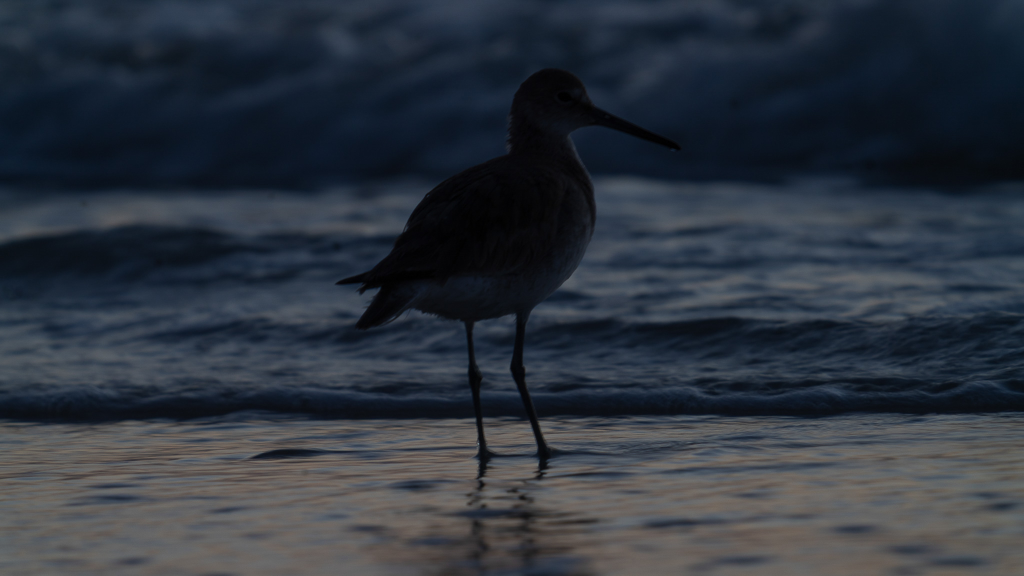
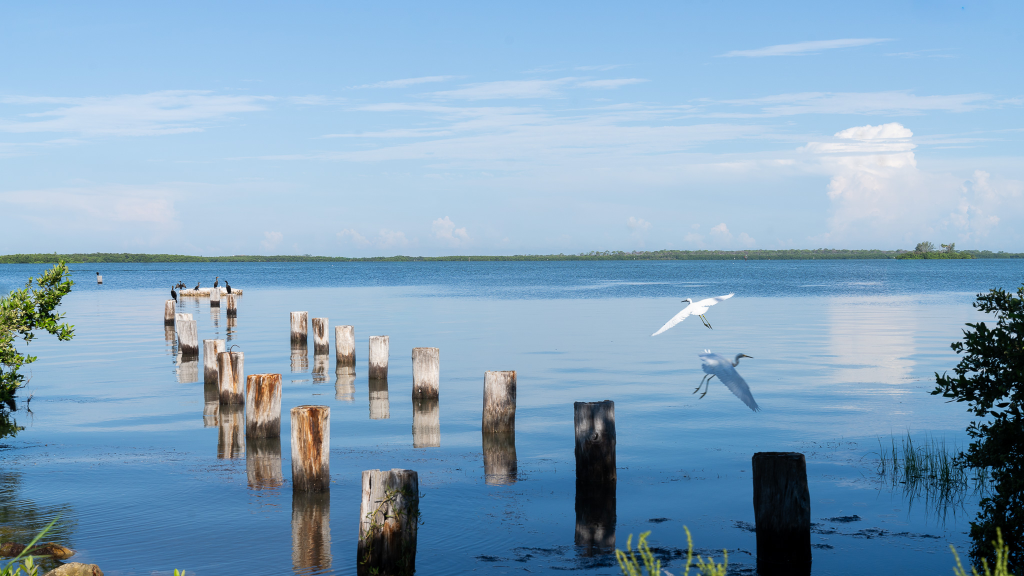
The lake communities at unusual hours. Dunedin contains several inland lakes, and the residential neighborhoods surrounding them produce photographs that the more obvious Gulf-coast locations do not. Sunrise over Lake Saundra. The reflections in the small inland waters as morning fog clears. The herons and egrets that work these lakes more reliably than the more trafficked beach environments. This is quieter work, and it requires being in places that most photographers do not think to be in.
What a Decade of Returning Actually Teaches
The deeper lesson of photographing the same town across many years is not technical. It is about the relationship between the photographer and the place.
When you photograph a town intensely for a few days, you are looking for images. The pressure to come away with something — to justify the trip, to fill a portfolio, to produce content — pushes you toward dramatic compositions and obvious subjects. The light gets good and you make the photograph. The cliché image presents itself and you take it because you have to take something. The work is competent but predictable. It captures what a town looks like, not what it is.
When you photograph the same town across years, the pressure shifts. You no longer need to come away with images on any specific outing. You can walk a familiar street with no intention of making photographs, see something you have never quite seen before, and capture an image that genuinely matters because it emerged from accumulated knowledge of the place rather than from the tourist’s compulsion to record everything. You can return to a location dozens of times and finally, on the right day in the right light, make the photograph the place actually deserves.
You also begin to see the place differently. The historic homes are no longer just photogenic subjects; they become buildings whose owners you know, whose histories you have researched, whose architectural details you have studied across multiple visits. The marina is no longer just an attractive composition; it becomes a working harbor with rhythms you understand and characters you recognize. The Saturday market is no longer just a colorful event; it becomes a weekly institution whose social fabric you participate in even with a camera in your hand.
This kind of seeing changes what you photograph. You photograph less, but the photographs are better, because they are made from inside the place rather than from outside it. You stop chasing the dramatic image and start making the quieter image that the place actually offers when you stop demanding it perform for you.
I think this is what a decade in one place actually teaches. It is not that you eventually capture every angle of every subject. It is that you eventually stop needing to. The work becomes about presence rather than performance. The photographs that remain are the ones that emerged from genuine engagement rather than from acquisition.
The Town That Watches Itself
There is one more dimension of photographing Dunedin that I want to mention because it is genuinely unusual.
Dunedin is a town that pays attention to itself. The Dunedin History Museum, where I served on the Board of Directors for several years, maintains substantial archives of historical photography of the town across more than a century. Local residents collect and preserve photographs of the town’s earlier eras. The neighborhood associations and the historical society publish images of the town’s history and request contemporary work to extend the visual record. The town’s annual festivals and civic events are photographed actively by residents. There is a cumulative visual archive of Dunedin that few small towns have managed to maintain.
What this means for photographers working in Dunedin now is that we are contributing to an ongoing record rather than producing isolated images. The photographs I have made of the town across the past decade will eventually become part of a longer history — the next generation’s view of how Dunedin looked at this specific moment, the architectural inventory as it stands in 2026, the marina and the boats and the historic homes as they exist before whatever changes come next.
This is a different orientation toward photography than the conventional travel-and-portfolio framing. It is not about producing portfolio work for clients or for personal collections. It is about contributing visual evidence of a specific place at a specific time to a continuing community record. The work matters not because it is mine, but because it joins the work of others in maintaining the visual continuity that connects past, present, and future of this town.
I find this orientation more meaningful than most of what photography conventionally aspires to. It also produces, I think, better photographs. When you photograph for the archive rather than for the portfolio, you make different choices. You photograph the things that future viewers will want to know about, even if they are not the most immediately dramatic subjects. You record the ordinary alongside the exceptional. You document specific buildings, specific corners, specific moments of community life that may not survive into the next decade.
This is the work I have been doing in Dunedin, and it is a substantial part of why I have continued returning to the same subjects across many years.
A Note on the Town Itself
I should be transparent about why I have spent so much time photographing this particular town.
I am a Realtor by profession. I lead Middleton Tampa Bay, a boutique real estate team at Compass that specializes in historic and character homes across Florida’s Gulf coast. Dunedin is the market I work in most often, and the substantial time I have spent here as a working professional has only deepened the engagement with the place that drew me to live here in the first place.
I produced a documentary about Dunedin some time ago — a short film about what makes the town distinctive, why I think it is one of the best small towns in the United States, and what continues to bring me back to it after more than a decade. The documentary is available on YouTube here for anyone curious about the town beyond what photographs can convey.
I have also written elsewhere, in greater depth, about Dunedin’s specific qualities. The argument for why the town belongs in the conversation about America’s best small towns is in my LinkedIn article. The architectural and historical depth on the town’s historic homes is in my Journal piece on historichomestampabay.com. The practical guide to actually living in and buying in Dunedin is on my Middleton Tampa Bay site.
But this piece, on this site, is about photography. About what a decade of returning to the same town teaches a photographer who is willing to learn. About the slow work of seeing a place rather than just visiting it. About the specific qualities of light, location, and timing that Dunedin rewards if you take the time to know it.
Photography, in my experience, is most rewarding when it is grounded in genuine engagement with subjects rather than in the acquisition of images. Dunedin has been a place where I have learned this lesson repeatedly across the years, and where the photographs I have made have been better, in aggregate, than the photographs I make in places I do not know as well.
For other photographers considering Dunedin as a subject — whether for a single visit, an extended project, or the kind of decade-long return that I have been describing — I would recommend the slow approach. Walk the streets in the morning. Return to the marina at different hours. Photograph the quiet moments alongside the dramatic ones. Respect what the town is actually offering you rather than insisting on what you came to capture. The work that emerges from this kind of patience is genuinely better than the work that emerges from the more conventional photographic urgency.
And if you find yourself returning across years, you may find that the place gradually becomes part of you in ways that change not just your photography but your sense of what photography is for.