In the summer of 2014, I arrived at Inle Lake almost by accident—and it ended up being one of the most meaningful places I’ve ever photographed.
Myanmar (formerly Burma) had only recently begun opening its borders after decades of isolation. Tourism was still limited, infrastructure was minimal, and much of the country felt untouched by the modern pace of the outside world. Inle Lake, in particular, felt like a place suspended in time.
The people here—most notably the Intha community—have lived on and around the lake for generations. They built their homes on stilts, created floating gardens anchored to the lakebed, and developed a way of life entirely shaped by water. Markets move from village to village on rotating days, carried by long wooden boats. Trade, conversation, and daily life happen face to face, just as they have for decades.
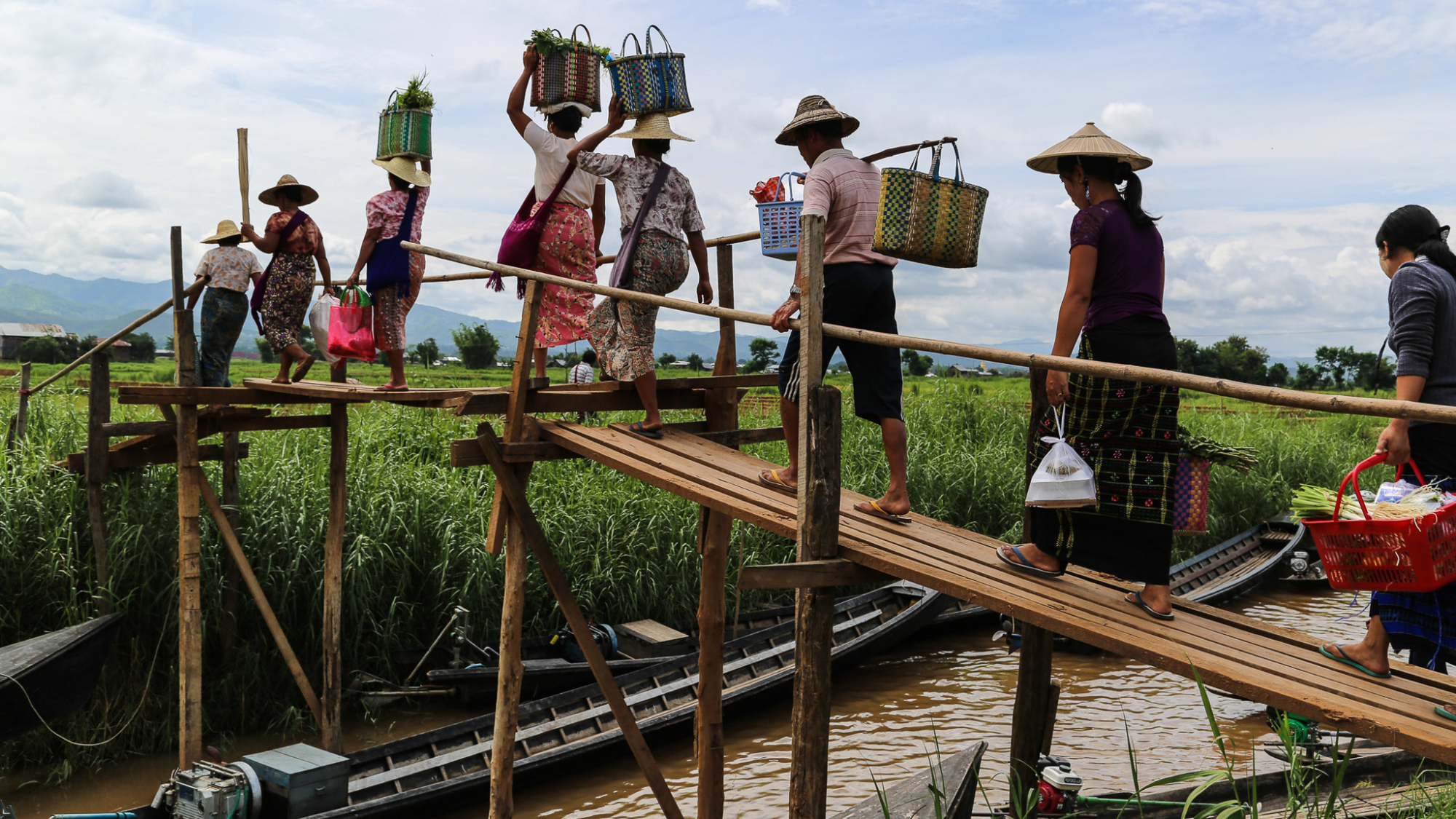
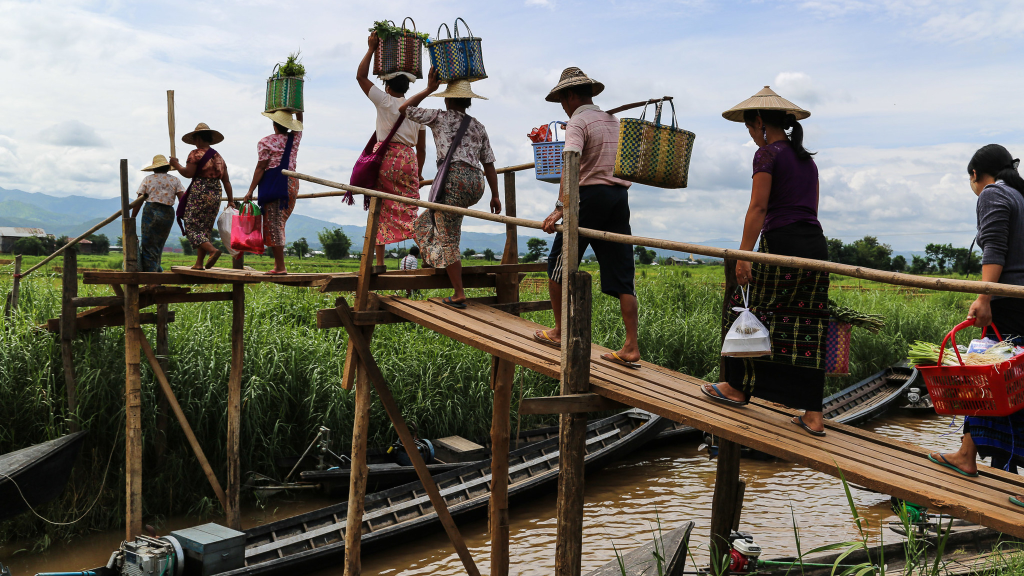
This photograph captures a moment from one of those market days. People crossing a simple wooden bridge, baskets balanced overhead, boats from the market below. It’s an ordinary scene there—but it holds everything about how this culture functions: cooperation, rhythm, and resilience. Nothing is rushed. Nothing is wasted. Everyone has a role.
Today, Inle Lake is changing. Tourism has increased. Modern pressures have arrived. But many of these traditions still endure. The floating farms remain. The markets still travel. Families still move across the lake by boat, tied closely to the water that sustains them.
Being there with my camera, I wasn’t just documenting a place—I was witnessing a way of life that has survived through balance and community. Even now, years later, this image reminds me how rare it is to see a culture so deeply connected to its environment.
Some places don’t just leave an impression.
They quietly change how you see the world.